

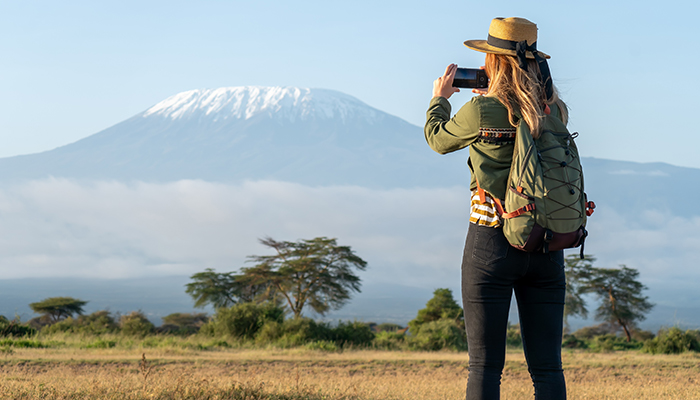
Discover 7 unforgettable things to do in Tanzania beyond safari, from Zanzibar and Kilimanjaro to hidden islands, history and luxury escapes.
When people think of Tanzania, the first thing that comes to mind is often an unforgettable safari across the Serengeti. While the country's wildlife is undeniably world-famous, Tanzania has so much more to offer beyond game drives. From idyllic islands and towering mountains to UNESCO World Heritage Sites and rich Swahili culture, it is a destination that rewards travellers seeking a deeper connection with East Africa. For travellers looking for a holiday that combines adventure, relaxation, history, and luxury, Tanzania delivers experiences that go far beyond the safari vehicle.
Climb Mount Kilimanjaro – Africa's Highest Peak
Standing at 5,895 metres, Mount Kilimanjaro is the highest free-standing mountain in the world and one of Tanzania's greatest natural icons. Unlike many high-altitude peaks, Kilimanjaro requires no technical climbing, making it accessible to determined trekkers with good fitness and proper acclimatisation. The most popular routes include the Machame Route, known for its spectacular scenery over six to seven days, and the Lemosho Route, which offers quieter trails and better acclimatisation over seven to eight days.
Every route passes through changing ecosystems, beginning with rainforest before climbing into moorland, alpine desert and finally the glacier-covered summit at Uhuru Peak. Most climbers begin their journey from Moshi, approximately a one-hour drive from Kilimanjaro International Airport. Luxury travellers often choose to stay at Gran Melia Arusha before their trek or recover afterwards at Legendary Lodge, known for its private cottages and views of Mount Meru.
.jpg)
Discover the Spice Island of Zanzibar
Just a short flight of around 20 minutes from Dar es Salaam, Zanzibar feels like a completely different world. Its capital, Stone Town, is a UNESCO World Heritage Site where winding alleyways reveal centuries of Arab, Persian, Indian and European influence. Historic landmarks such as the House of Wonders, the Old Fort and the former Slave Market provide fascinating insight into the island's role in the Indian Ocean trade.
Beyond the town, visitors can join guided spice farm tours to learn how cloves, nutmeg, cinnamon and vanilla have shaped Zanzibar's history and economy. The island's eastern and northern coasts are home to powder-soft beaches and turquoise waters perfect for snorkelling, diving and traditional dhow sailing. Luxury stays such as Zuri Zanzibar, The Residence Zanzibar and Baraza Resort & Spa consistently rank among the finest beach resorts in Africa, offering exceptional hospitality and Indian Ocean views.
.jpg)
Experience the Ngorongoro Crater Beyond Wildlife
While the Ngorongoro Crater is famous for its incredible wildlife, the destination offers much more than game viewing. Formed around two to three million years ago after a massive volcanic eruption, this UNESCO World Heritage Site is the world's largest intact volcanic caldera. Visitors can learn about the traditions of the Maasai people through authentic cultural visits, where local communities share their customs, traditional homes and centuries-old pastoral lifestyle.
The nearby Olduvai Gorge, often called the "Cradle of Humankind," is one of the world's most significant archaeological sites. Fossils discovered here by Louis and Mary Leakey have transformed our understanding of early human evolution, making it an essential stop for history enthusiasts. Travellers typically drive between Arusha and Ngorongoro in around three to four hours, enjoying scenic landscapes along the way. Luxurious accommodations such as andBeyond Ngorongoro Crater Lodge and Melia Ngorongoro provide extraordinary crater views alongside world-class service.
.jpg)
Relax on the Untouched Beaches of Mafia Island
For travellers seeking tranquillity away from the crowds, Mafia Island is one of Tanzania's best-kept secrets. Located about 160 kilometres south of Zanzibar and reached by a short domestic flight from Dar es Salaam, the island forms part of the protected Mafia Island Marine Park. The surrounding coral reefs are among the healthiest in the Indian Ocean, making the island a paradise for divers and snorkellers.
Between October and February, visitors have the rare opportunity to swim alongside whale sharks, the world's largest fish, in carefully regulated excursions. Mangrove forests, secluded beaches and traditional fishing villages create an authentic atmosphere that feels untouched by mass tourism. Luxury properties such as Pole Pole Bungalows and Butiama Beach Lodge offer elegant beachfront stays while maintaining a strong commitment to sustainable tourism.
.jpg)
Explore the Cultural Heritage of Bagamoyo
Located approximately 75 kilometres north of Dar es Salaam, Bagamoyo is one of East Africa's most historically significant coastal towns. Once a major trading port during the nineteenth century, it served as an important centre for ivory and caravan routes before becoming part of German East Africa.
Today, visitors can walk through colonial-era buildings, historic churches, museums and ancient ruins that tell the story of Tanzania's multicultural heritage. The town also has a thriving arts scene centred around the Bagamoyo College of Arts, where traditional music, dance and sculpture continue to flourish. A day trip from Dar es Salaam allows travellers to experience a different side of Tanzania that is rich in history rather than wildlife.
.jpg)
Visit Lake Tanganyika – One of the World's Deepest Lakes
Stretching along Tanzania's western border, Lake Tanganyika is the second-deepest freshwater lake on Earth and among the oldest lakes in the world. Reaching the lakeside town of Kigoma requires either a domestic flight from Dar es Salaam or a scenic rail journey aboard the historic Central Line railway.
The crystal-clear waters are home to hundreds of unique fish species found nowhere else, making the lake particularly popular with divers and nature lovers. Nearby Gombe National Park offers visitors the chance to follow in the footsteps of renowned primatologist Jane Goodall, whose pioneering chimpanzee research began here in the 1960s. Guided forest hikes provide unforgettable opportunities to observe wild chimpanzees in their natural habitat, creating one of Tanzania's most rewarding wildlife experiences without a traditional safari.
.jpg)
Immerse Yourself in Dar es Salaam's Vibrant Lifestyle
Although many travellers simply transit through Dar es Salaam, Tanzania's largest city deserves time in its own right. As the country's commercial and cultural hub, it blends modern African energy with Swahili traditions and Indian Ocean charm. Visitors can explore the National Museum of Tanzania to understand the nation's archaeological and cultural history before browsing colourful local markets and waterfront districts. Coco Beach comes alive during weekends with street food, live music and local entertainment, while nearby restaurants showcase fresh seafood and authentic Swahili cuisine influenced by Indian and Arab flavours. Luxury hotels including Hyatt Regency Dar es Salaam, The Kilimanjaro and Johari Rotana provide elegant accommodation overlooking the harbour, making the city an excellent starting or finishing point for a Tanzanian adventure.
.jpg)
Back to Blog listing
